
by Team GigSky
May 8, 2025
As nations race toward net-zero goals, utility providers are moving away from traditional, centralized grids toward decentralized systems characterized by renewable energy, electric vehicle (EV) charging infrastructure, and prosumer-led power generation.
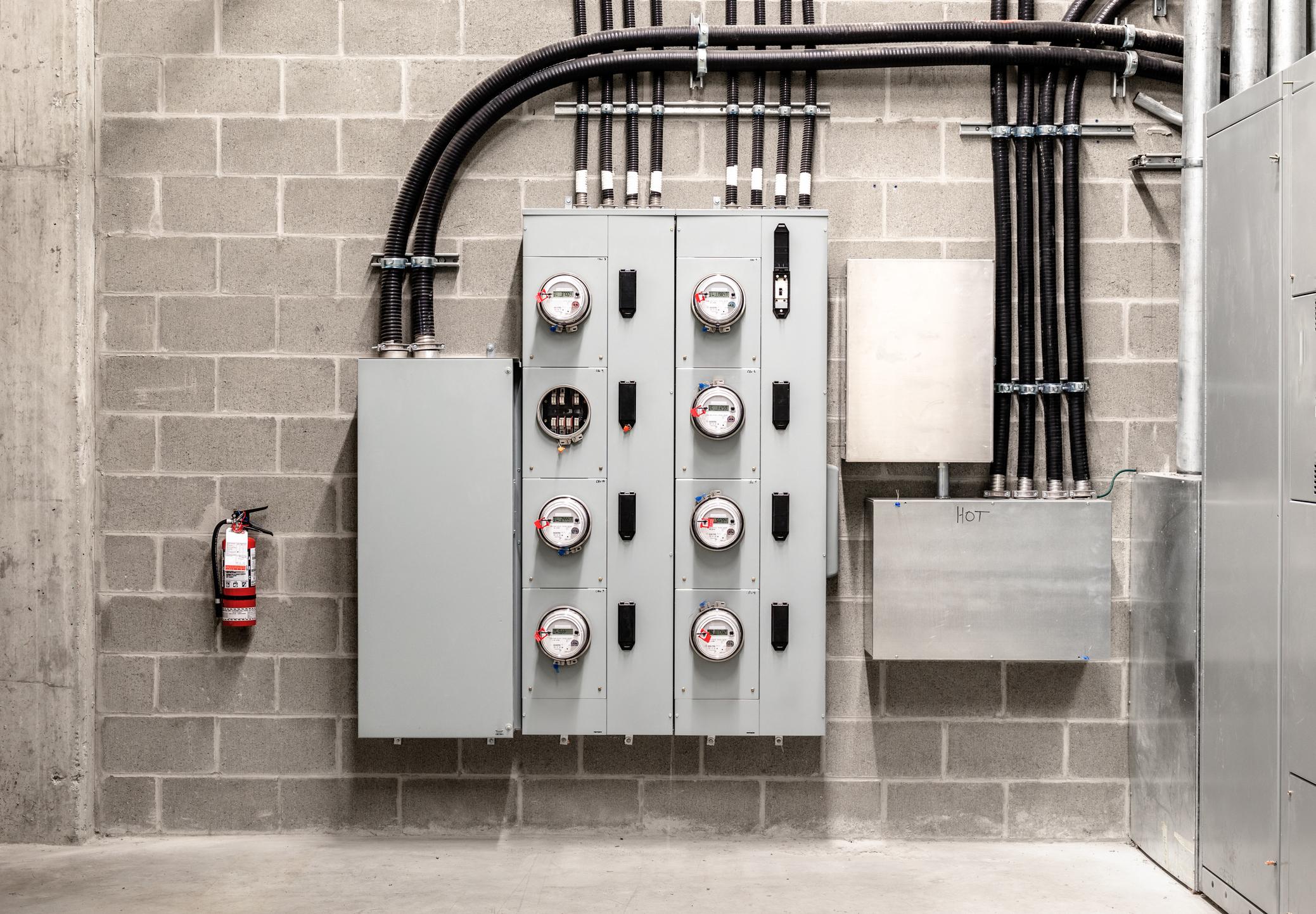
At the heart of this transition is the smart meter—a device that is no longer just a billing tool, but a critical sensor for real-time grid orchestration. However, the true challenge for utilities lies in longevity.
With deployment cycles spanning 15 to 20 years, meters must be equipped with connectivity that can outlast network sunsets, carrier mergers, and evolving cybersecurity threats.
That’s why cellular IoT, bolstered by the latest eSIM standards is the definitive solution to future-proof this critical national infrastructure.
Why Cellular IoT is the New Grid Standard
The first generation of smart metering often relied on proprietary mesh networks or Power Line Communication (PLC). While functional for simple monthly billing, these technologies frequently struggle with the high-frequency, two-way data demands of Advanced Metering Infrastructure (AMI 2.0).
Cellular IoT—specifically Narrowband IoT (NB-IoT) and LTE-M—offers the most reliable eUICC SIM for a standardized, carrier-grade alternative that integrates seamlessly into the existing global telecommunications footprint.
By leveraging licensed spectrum, cellular IoT provides a level of reliability and interference protection that unlicensed radio frequencies cannot match.
This is particularly vital for meters located in "hard-to-reach" environments. NB-IoT is engineered for deep signal penetration, reaching meters tucked away in basements or behind thick concrete walls.
Furthermore, the shift to cellular allows utilities to bypass the massive capital expenditure of building and maintaining their own private radio towers, instead utilizing the billions already invested by mobile network operators in 4G and 5G infrastructure.
Eliminating Technical and Commercial Lock-in
A major risk to a 20-year smart meter deployment is "carrier lock-in." In the past, changing a service provider meant physically swapping a plastic SIM card—an impossible task when dealing with millions of meters spread across a continent.
The advent of the eSIM (eUICC) and the new GSMA SGP.32 standard has fundamentally changed this dynamic by enabling Remote SIM Provisioning.
- Remote management: Utilities can now switch network profiles over-the-air (OTA). If a carrier raises prices or a network technology is decommissioned, the utility can migrate its entire fleet to a new provider via a central connectivity management platform.
- Operational agility: This technology enables a "Single SKU" manufacturing process. A manufacturer can build one hardware version of a meter and ship it globally, with the local connectivity profile being downloaded only once the device is installed in its final destination.
- Logistical efficiency: By eliminating the need for physical "truck rolls" to service SIM cards, utilities can save millions in operational expenses over the lifetime of the device.
Optimizing the Edge
Smart meter monitoring is not a one-size-fits-all application. A water meter buried underground and powered by a battery has vastly different requirements than an electricity meter connected to the mains. Cellular IoT allows utilities to "right-size" their connectivity based on the specific needs of the asset without sacrificing the ability to update the device in the future.
For battery-operated devices, features like Power Saving Mode (PSM) and Extended Discontinuous Reception (eDRX) allow sensors to remain "asleep" for long periods, waking up only to transmit data before immediately powering down.
This efficiency ensures that a gas or water meter can remain in the field for two decades without a battery change.
Meanwhile, for electricity meters that require high-velocity IoT data plan for grid balancing, LTE-M or the emerging 5G RedCap (Reduced Capability) standards provide the necessary bandwidth and low latency. This flexibility ensures that as grid demands become more complex, the connectivity layer remains an enabler rather than a bottleneck.
Protecting Critical National Infrastructure
As smart meters become more integrated into the energy web - part of the critical infrastructure connectivity layer that powers modern energy distribution, they become potential entry points for cyber-attacks. Security can no longer be an afterthought; it must be embedded at the hardware level. Cellular IoT offers a "closed-loop" security model that is significantly more robust than public Wi-Fi or older mesh protocols.
The eSIM itself serves as a "Root of Trust," providing a secure environment to store cryptographic keys and credentials. It works along the best CMP for IoT solutions to support device security.
Because the SIM functionality is often soldered directly onto the circuit board (MFF2 form factor) or integrated into the silicon (iSIM), it is physically tamper-resistant.
Data transmitted over cellular networks is encrypted end-to-end, and by utilizing Private Access Point Names (APNs) and network slicing, utilities can ensure their data never touches the public internet.
This multi-layered defense is essential for maintaining public trust and ensuring the continuous, safe distribution of energy in an increasingly connected world - for the operational playbook, see our guide to the key security practices for IoT rollouts. All-in-all demonstrating why cellular IoT connectivity supports a safe, secure future for smart meters.
Related topics
Table of Contents
Subscribe today to get exclusive deals and benefits

Power Your Ideas With Always-On Cellular IoT Connectivity
GigSky is your innovation partner, supporting pioneering devices from the SIM layer, to the management level. Contact us now to see how you can derisk launches, control costs, and reduce connectivity headaches in the field.